
The Allure of Casino Gaming
Casino gaming has an undeniable attraction that draws millions worldwide into its glitzy embrace. This allure is not merely about the thrill of winning but is deeply rooted in the psychology of human behavior. The excitement generated by the potential of winning big often overshadows the risks involved. Understanding this psychological aspect can reveal why many are inclined to engage in casino gaming despite the odds. In addition, enticing offers such as betting bonuses can amplify this interest significantly.

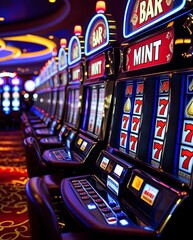
Moreover, the environment of a casino plays a crucial role in enhancing this allure. The sounds of slot machines, the clinking of chips, and the vibrant lights stimulate our senses, creating an atmosphere that encourages prolonged engagement. This sensory overload can lead to what psychologists refer to as «loss of control,» where players may abandon caution in favor of the immediate rewards that gaming provides.
The psychology behind casino gaming strategies heavily involves cognitive biases that influence how players make decisions. One common bias is the «Gambler’s Fallacy,» where individuals believe that past events can influence future outcomes in a game of chance. For instance, if a particular slot machine hasn’t paid out in a while, players might assume it is «due» for a win, despite each spin being independent of previous results.
This fallacious reasoning can lead to distorted strategies, where players may increase their bets with the hope of recouping losses. Recognizing these cognitive biases is crucial not only for understanding why certain strategies are employed but also for promoting more responsible gaming behaviors.
Emotions play a significant role in shaping the strategies players adopt while gaming. The thrill of winning can elicit feelings of euphoria, while losing can lead to frustration and despair. These emotions can affect decision-making processes, often leading players to change their strategies in the heat of the moment. For instance, a player might chase losses, convinced that a win is just around the corner.
Understanding the emotional aspect of gaming provides insights into why many players often engage in irrational behaviors. Strategies that might seem logical on the surface can quickly become compromised by emotional reactions, which can lead to a cycle of risky betting and financial losses.
Various strategies have emerged in the world of casino gaming, each appealing to different psychological aspects. Some players prefer strategies based on statistical analysis, meticulously calculating odds and payouts, while others may adopt more instinctual methods, relying on gut feelings and superstitions. The latter often stems from a desire for control over an inherently unpredictable activity.
Moreover, many casinos leverage these psychological tendencies by offering rewards, bonuses, and loyalty programs that encourage continued play. By understanding how players think and feel, casinos can enhance their gaming experiences, ensuring that players remain engaged while also maintaining profitability.
Amid the excitement of gaming strategies lies the essential need for responsible gaming practices. Many casinos are increasingly aware of their responsibility to protect players from the potential harms of gambling addiction. This awareness often manifests in the form of informational resources, self-exclusion programs, and tools to help players set limits on their wagering behavior.
The focus on responsible gaming not only enhances the player experience but also fosters a culture where informed choices are encouraged. As players become more educated about the psychological factors affecting their gaming strategies, they can make more rational decisions, leading to a healthier gaming environment.